Undocumented
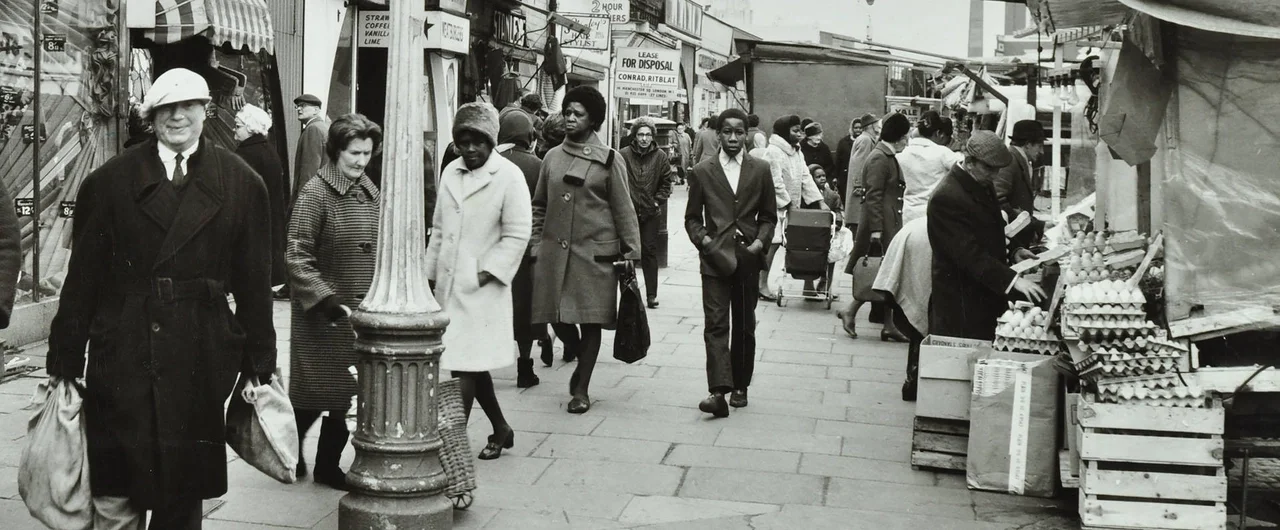
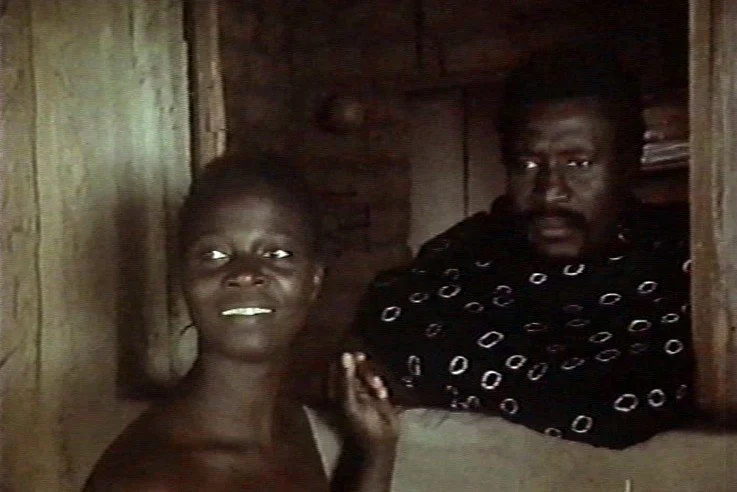
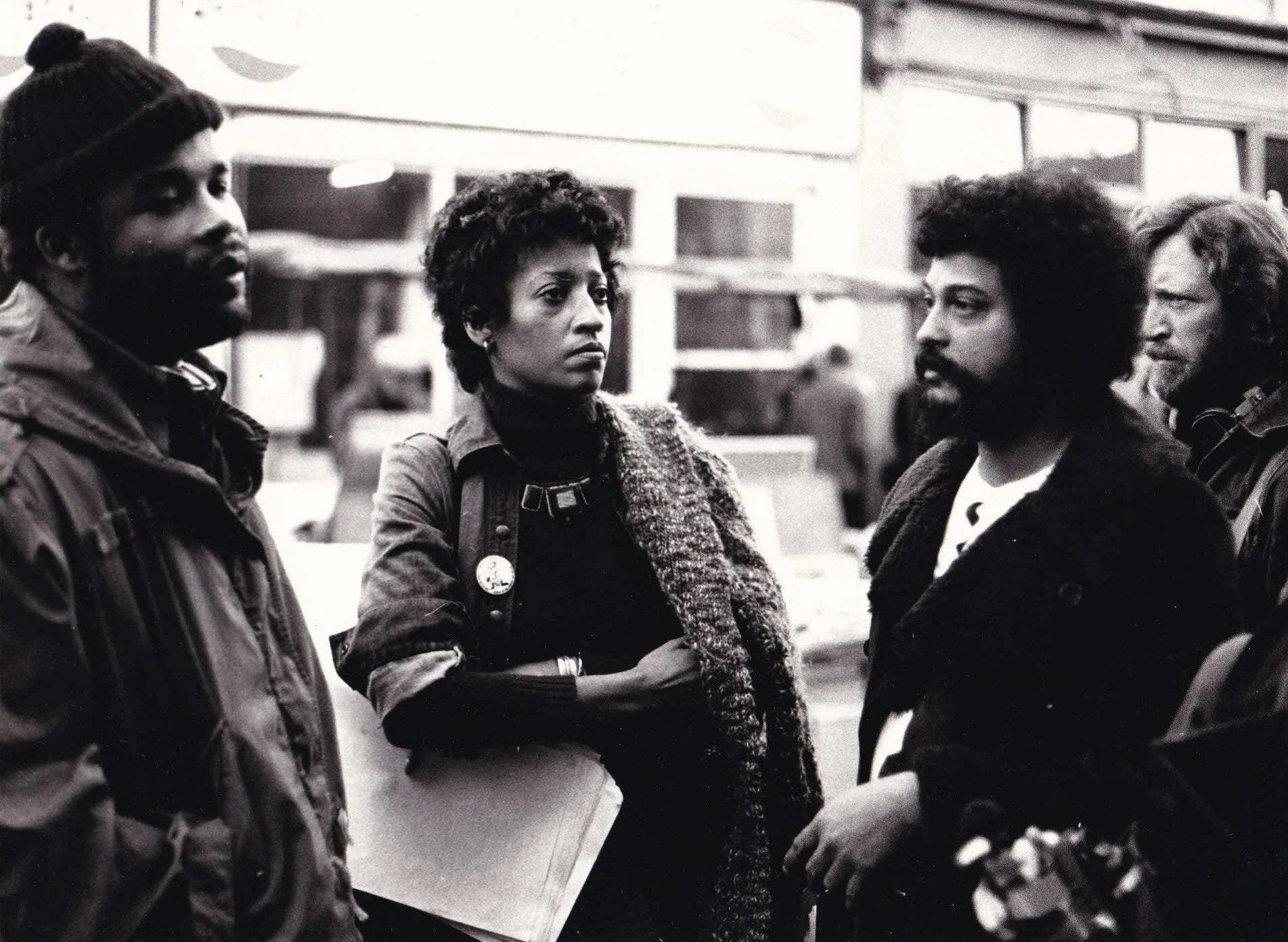
Pressure (1976) - Horace Ove
The Undocumented project
London’s Screen Archives and The New Black Film Collective’s Undocumented project seek to address the lack of Black home movies within film archives. The project aims to create a space where we can discuss the importance of celebrating and preserving the Black experience in London and highlight the crucial role screen archives play in preserving stories from the past.
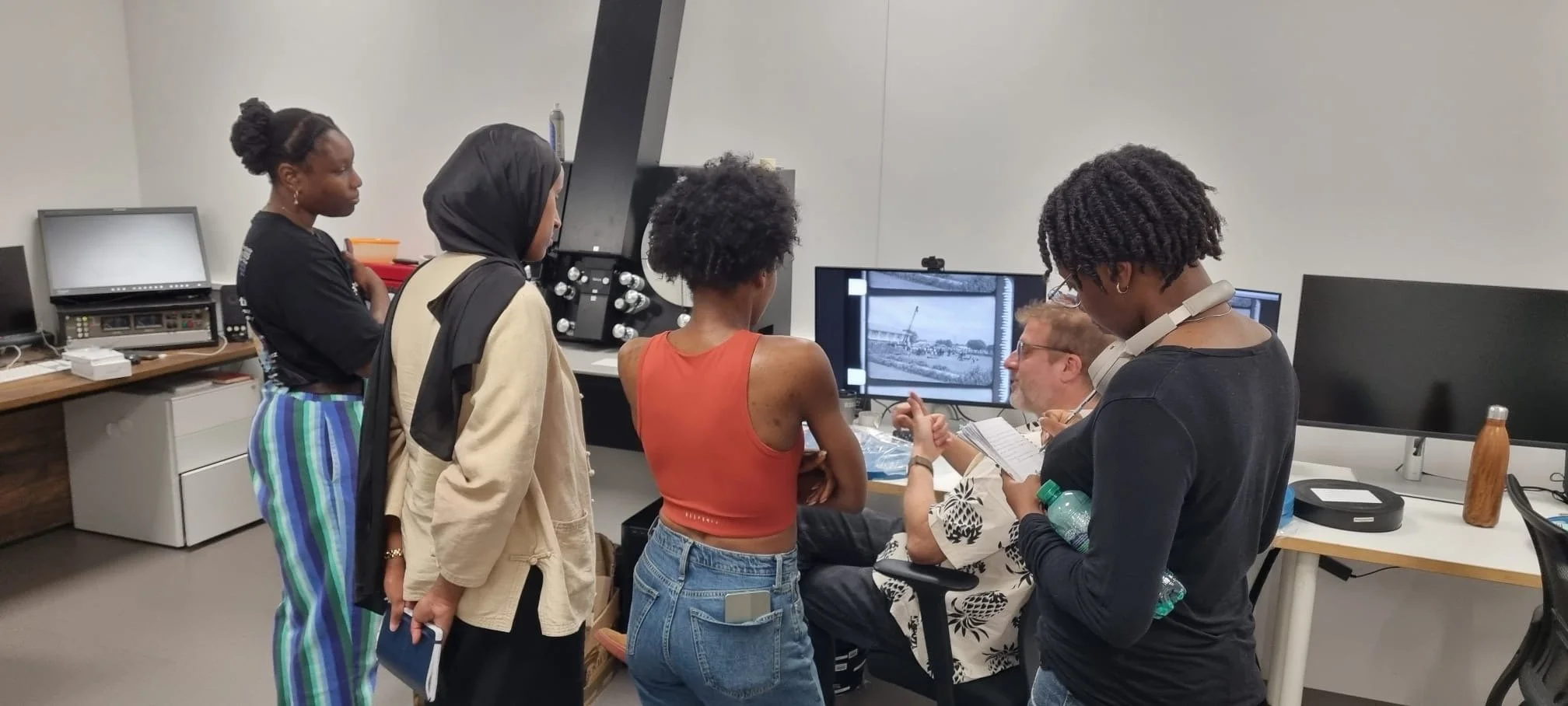
For our second year, we launched the Screen Heritage Ambassador programme which consisted of a series of workshops for Black Londoners to learn about digitisation, non-western archiving, cataloguing and programming. The aim was to create a cohort of skilled community ambassadors who can continue to be custodians of screen heritage and memory work through audio-visual archives.
Ambassadors have gone on to create documentaries, zines and archive collectives in response to the programme. Several Ambassadors have also donated their home movies to London's Screen Archives which can be found here.
London’s Screen Archives
Skills
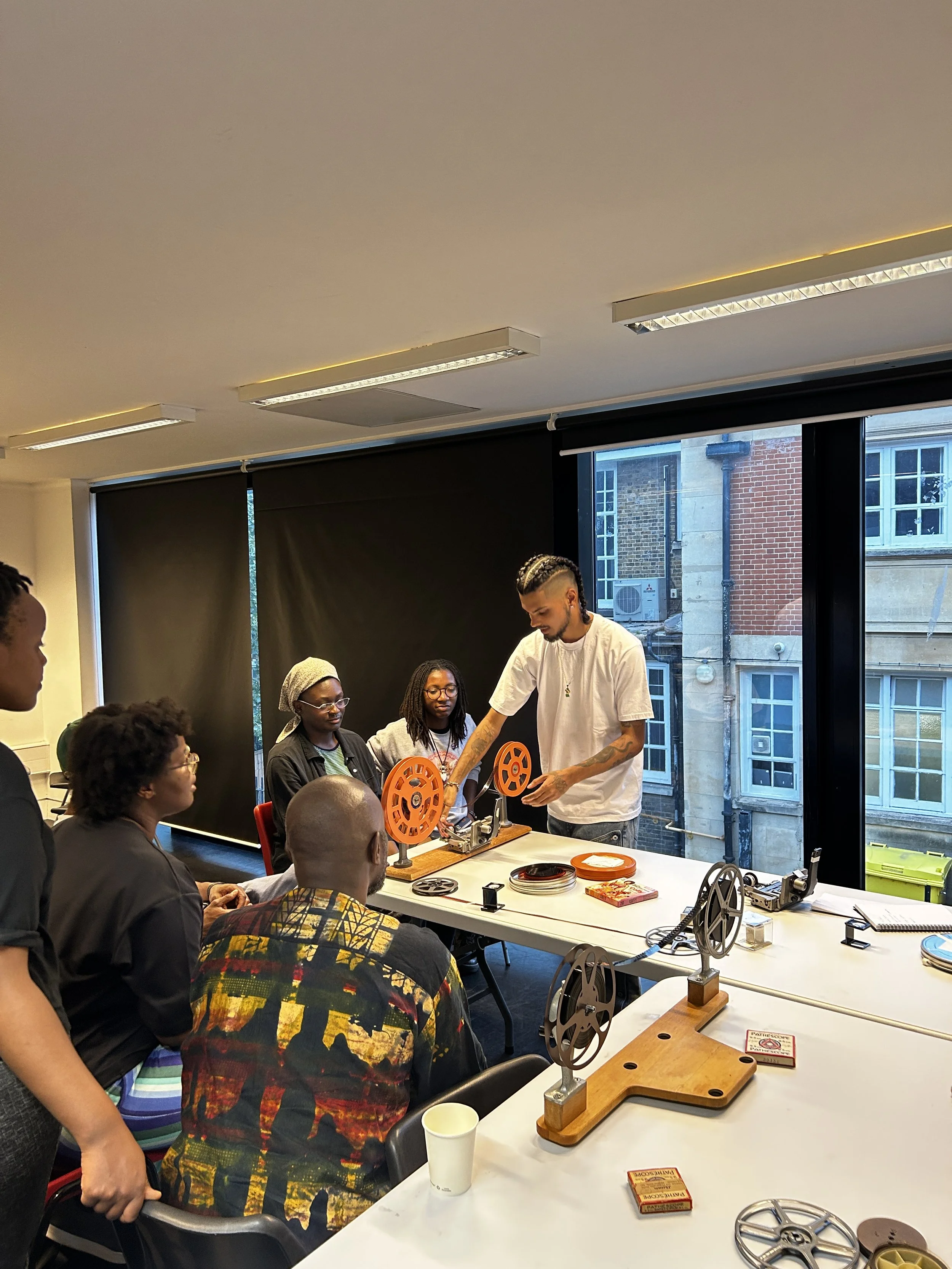
Undocumented’s Screen Heritage Ambassador programme held workshops developing skills in the following areas:
Community archiving
Non-western archival techniques
Digitisation of video and film formats
Cataloguing
Archiving personal collections
Film formats
Programming with heritage material
Sessions
Caring for your personal collection
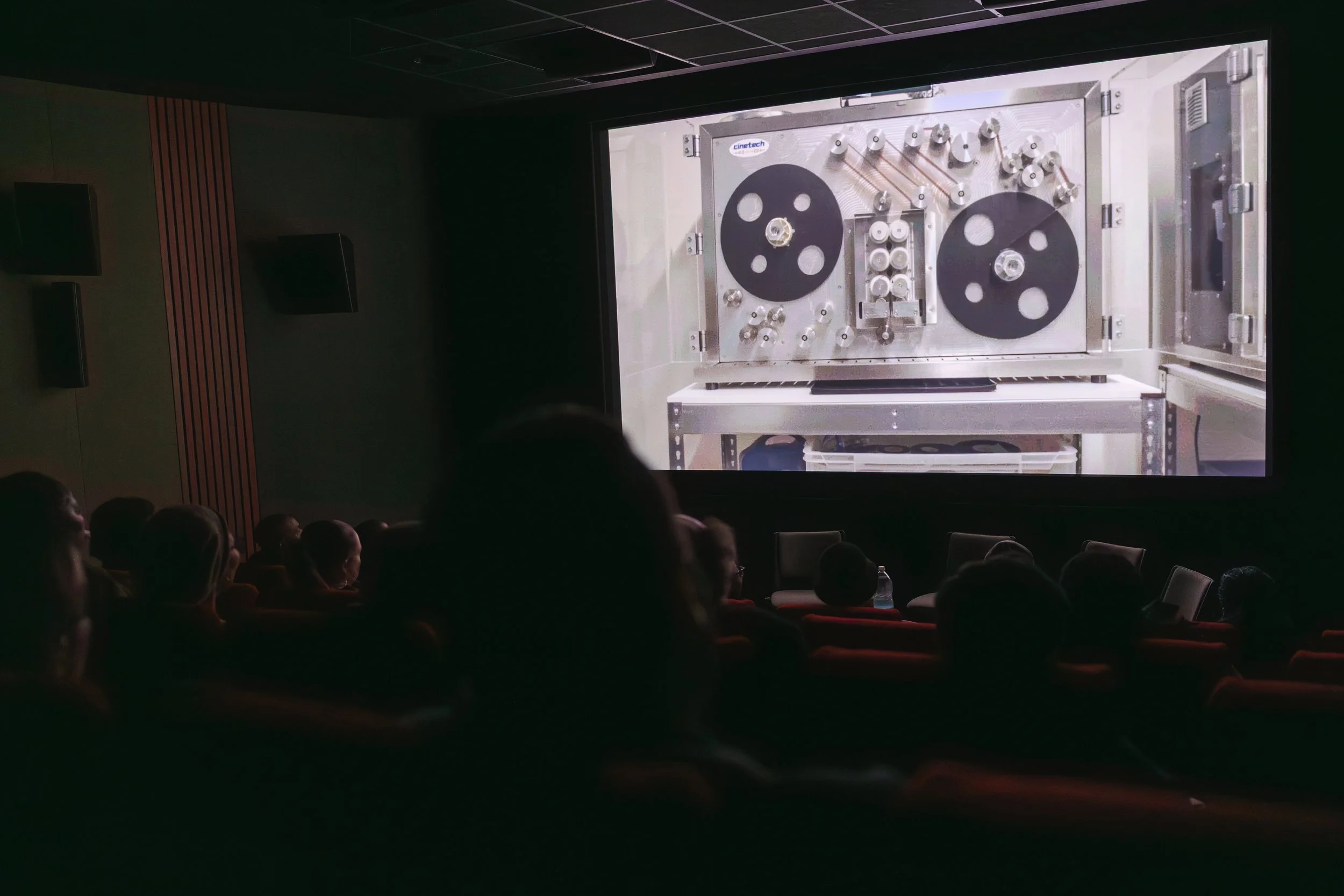
Community on camera, viewing your own home movies
Correcting our Collecting – Thinking beyond the ‘traditional’ archive
Visiting R3store Studios: participants to choose from available slots
Identifying what is missing in the archives
Non-western cataloguing
Cataloguing your archive
Programming your event
Exploring legacy
EVENTS
The dreaming behind an archive
Celebrate the work of our screen heritage ambassadors!
Created by our screen heritage ambassadors!
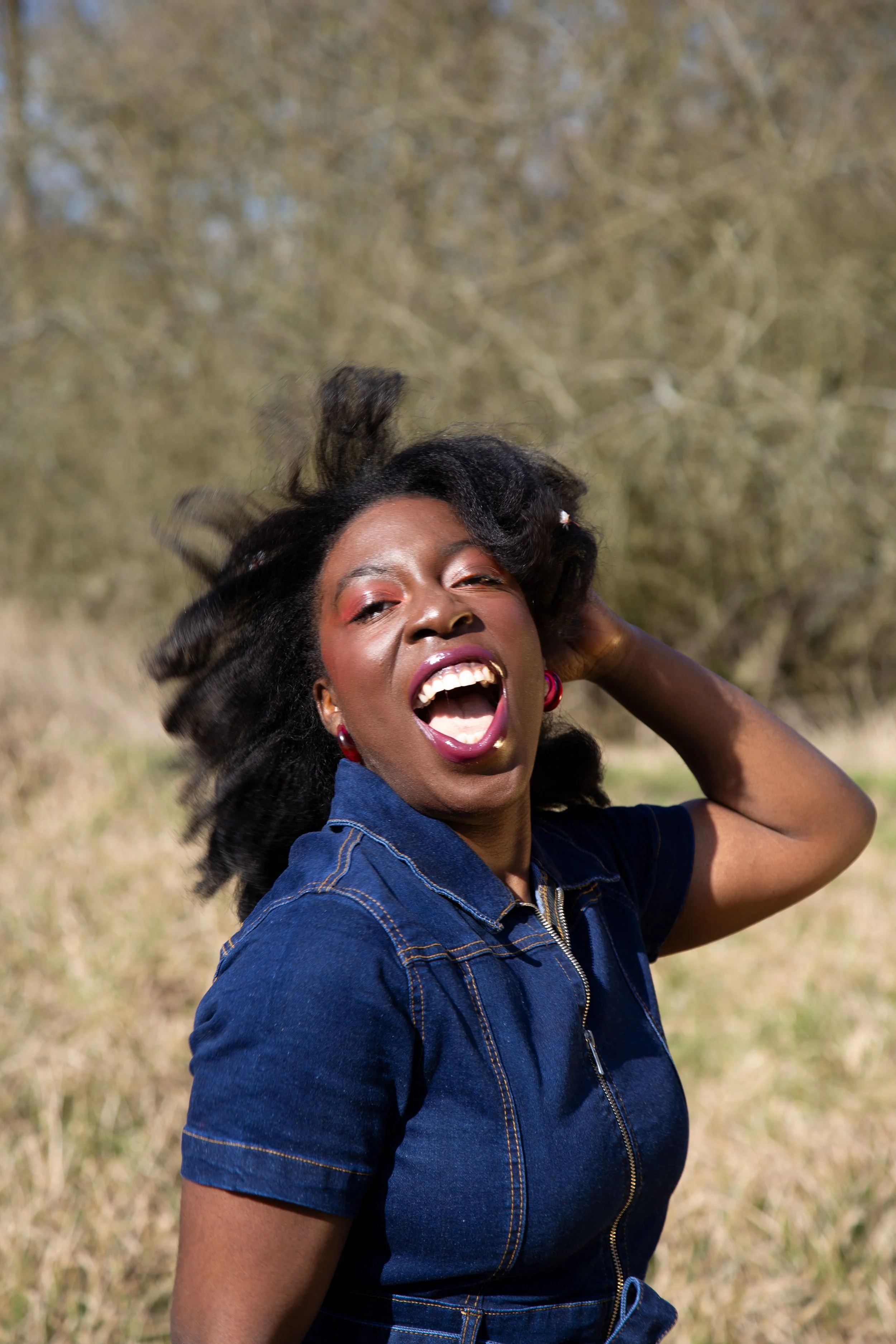
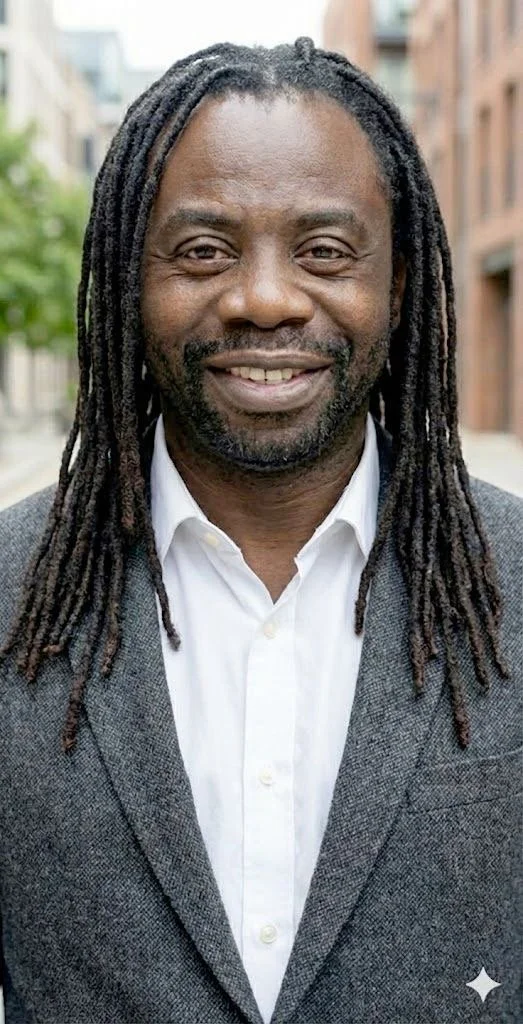
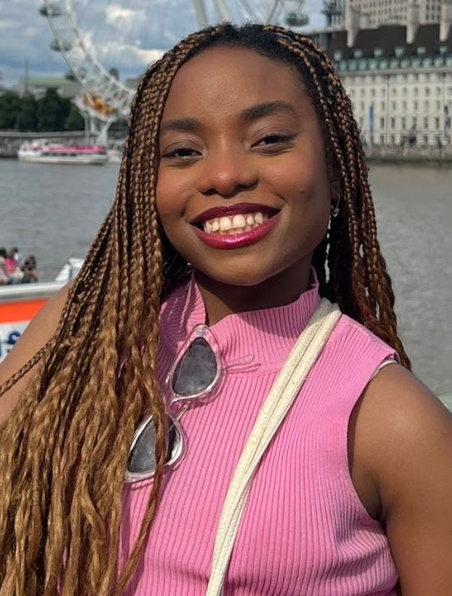
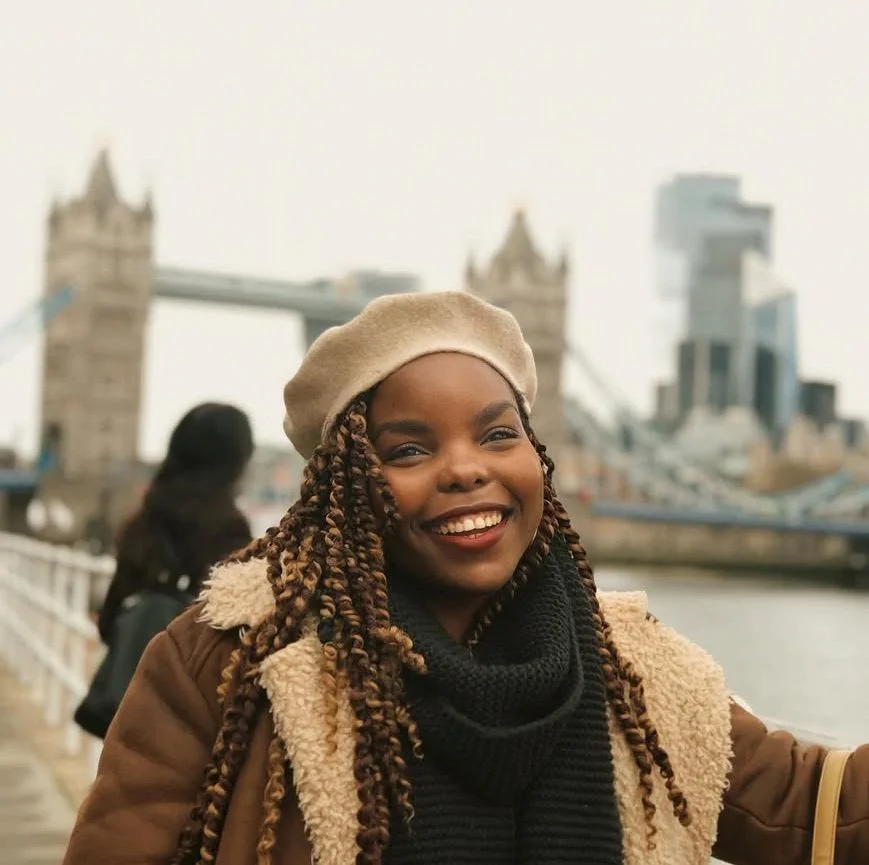
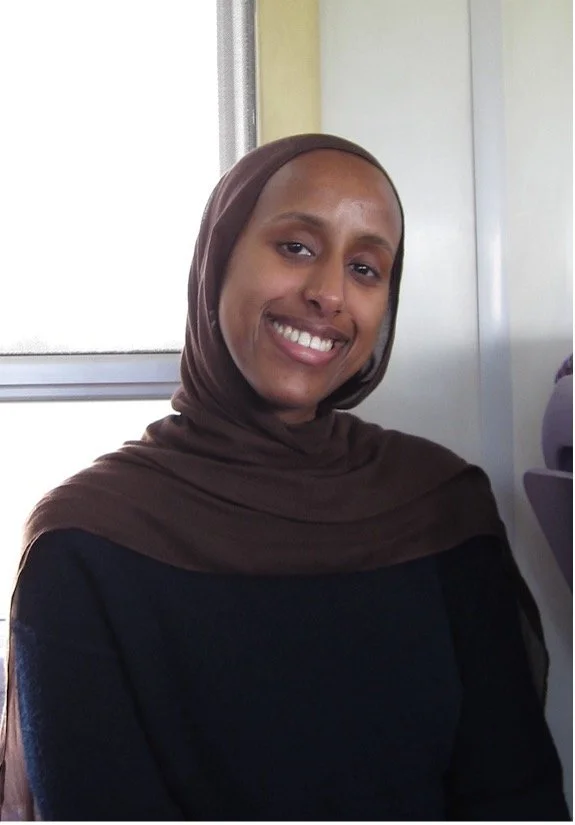
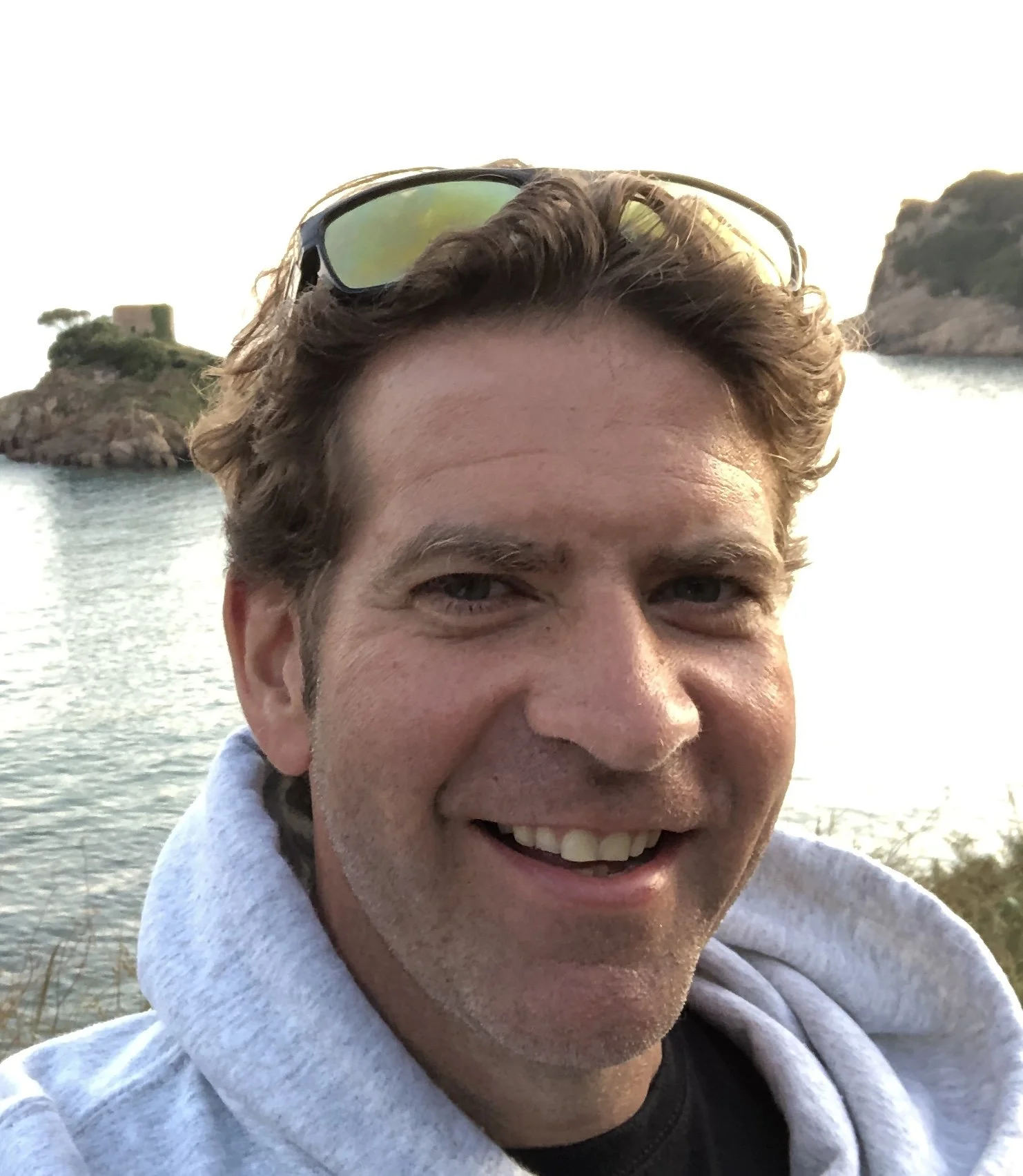
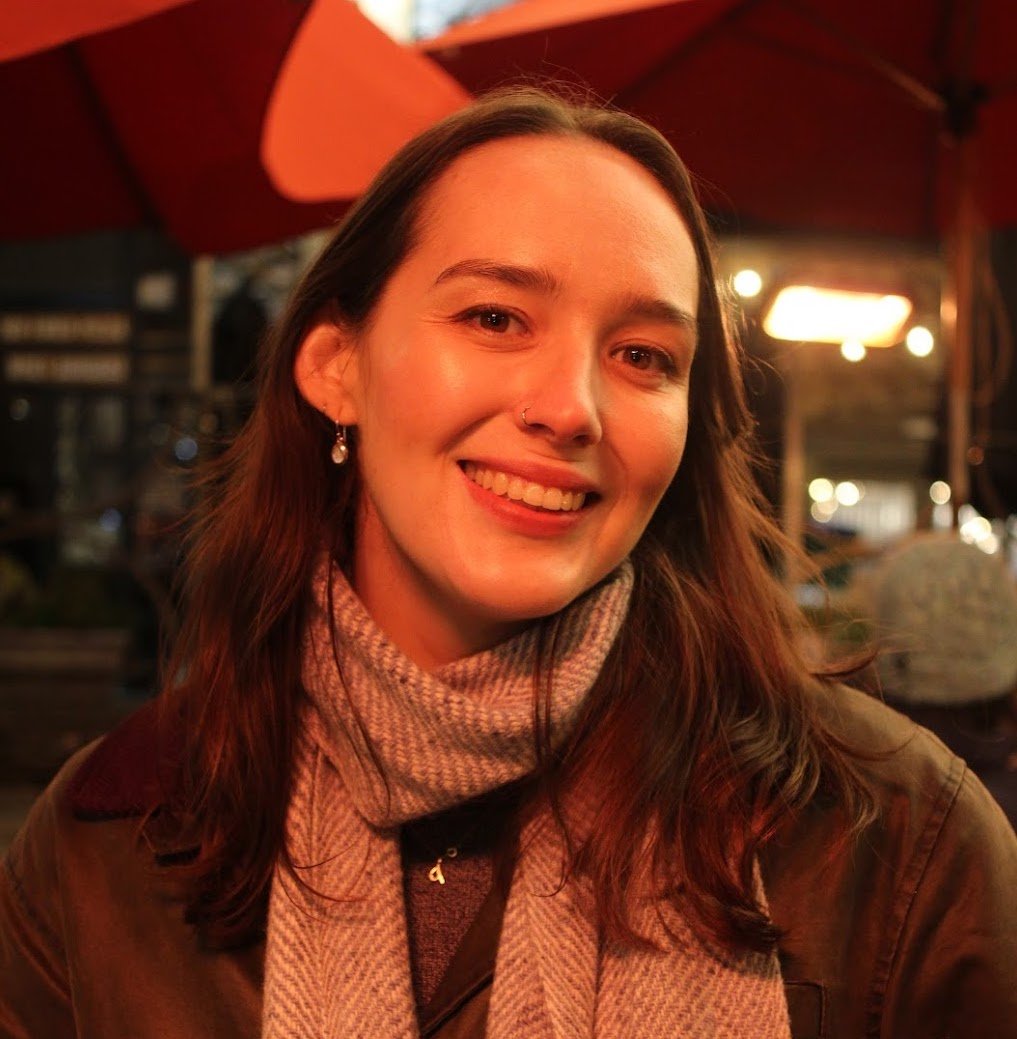
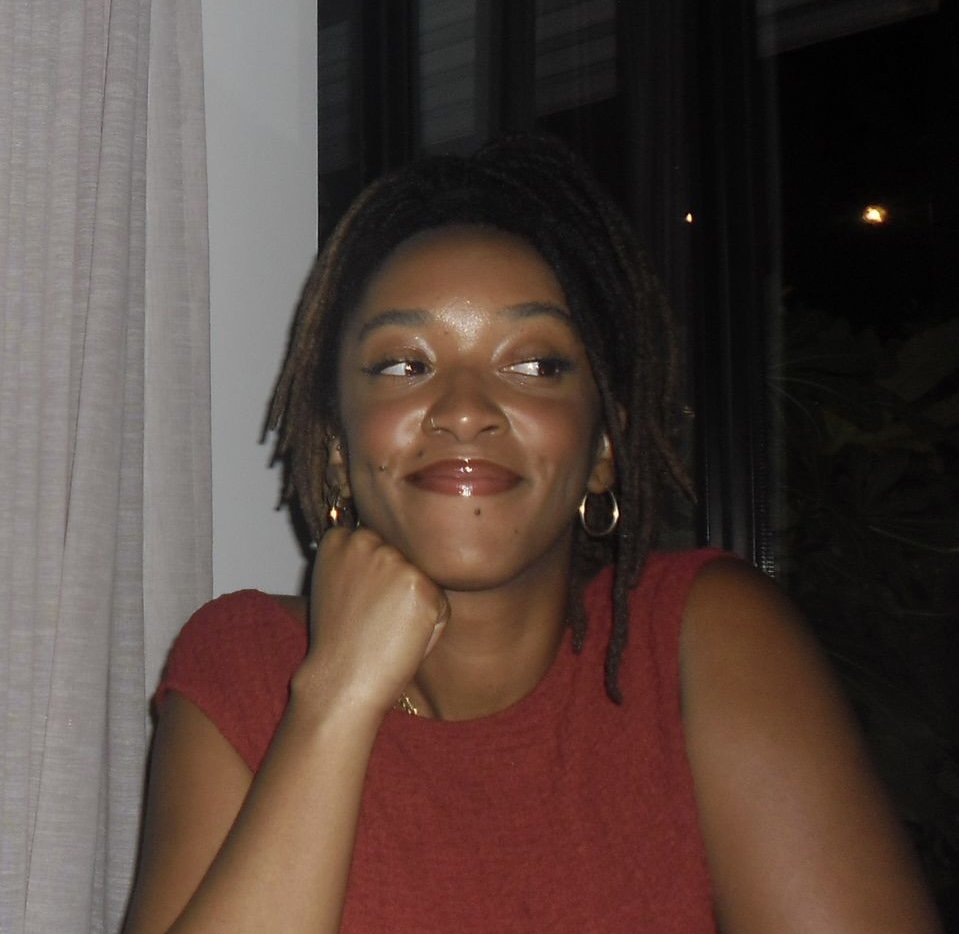
Meet our screen heritage ambassadors
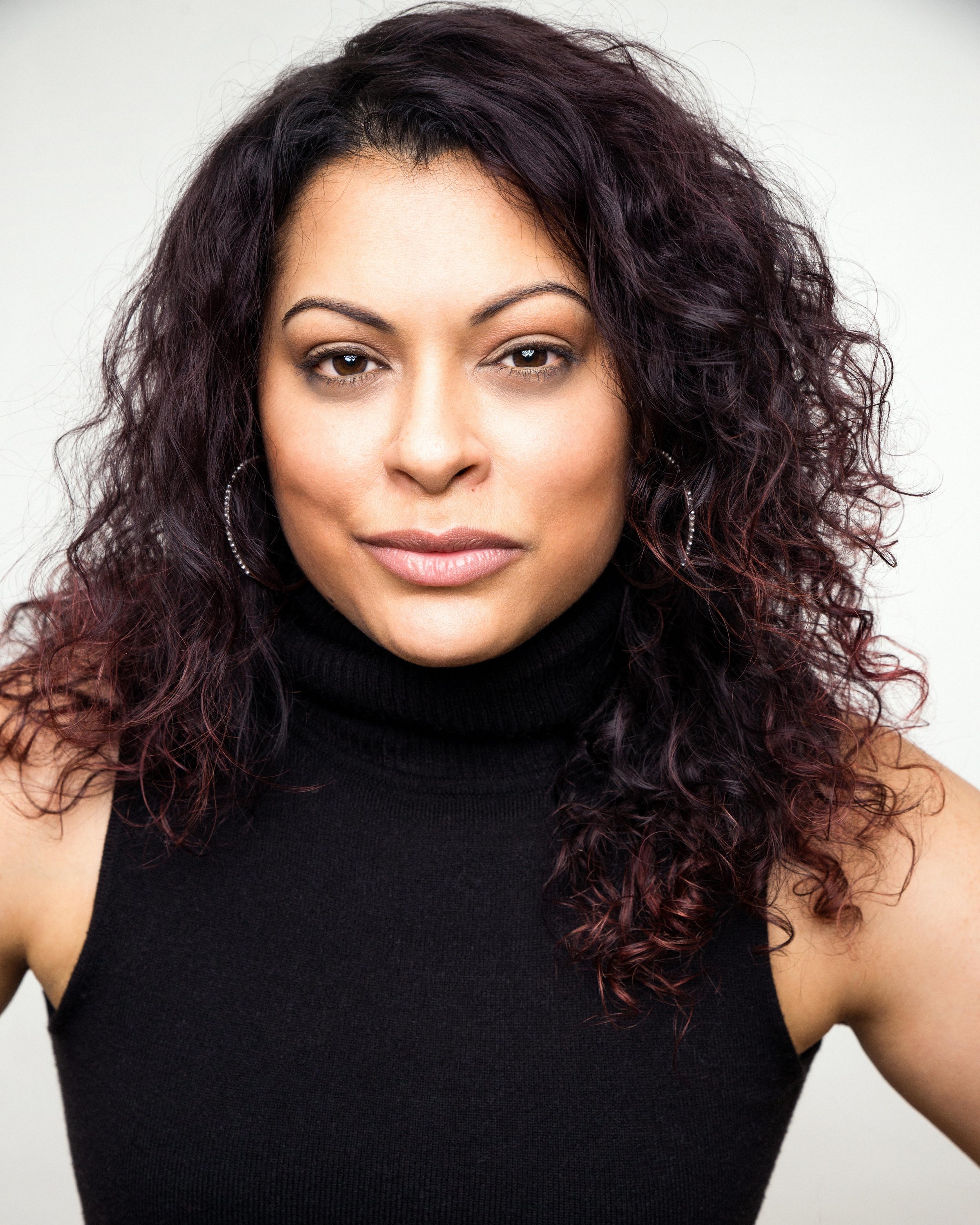
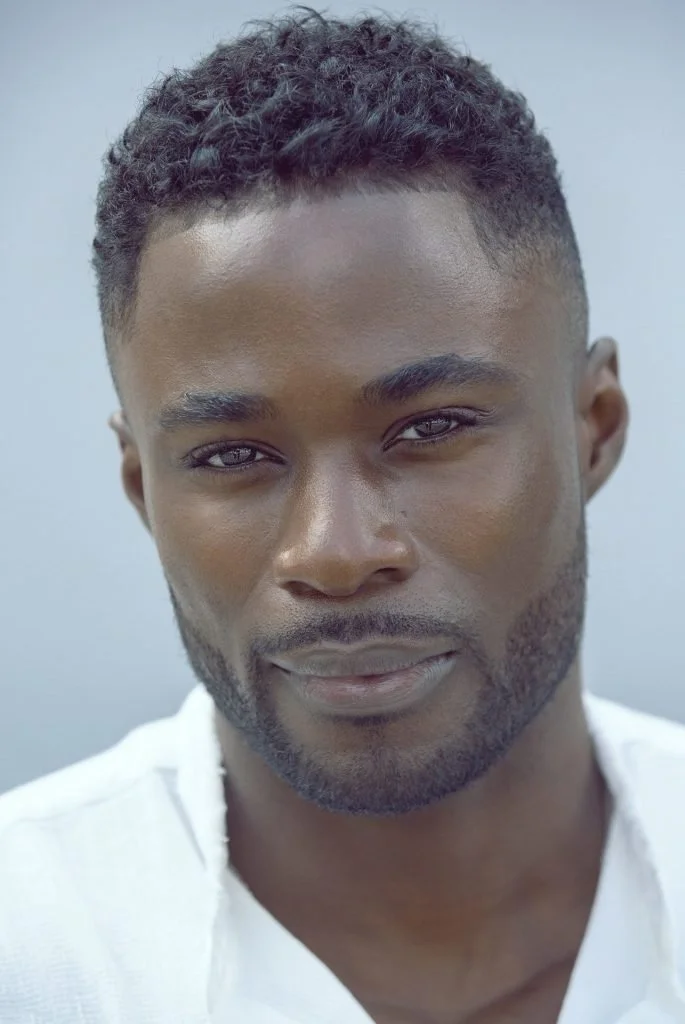
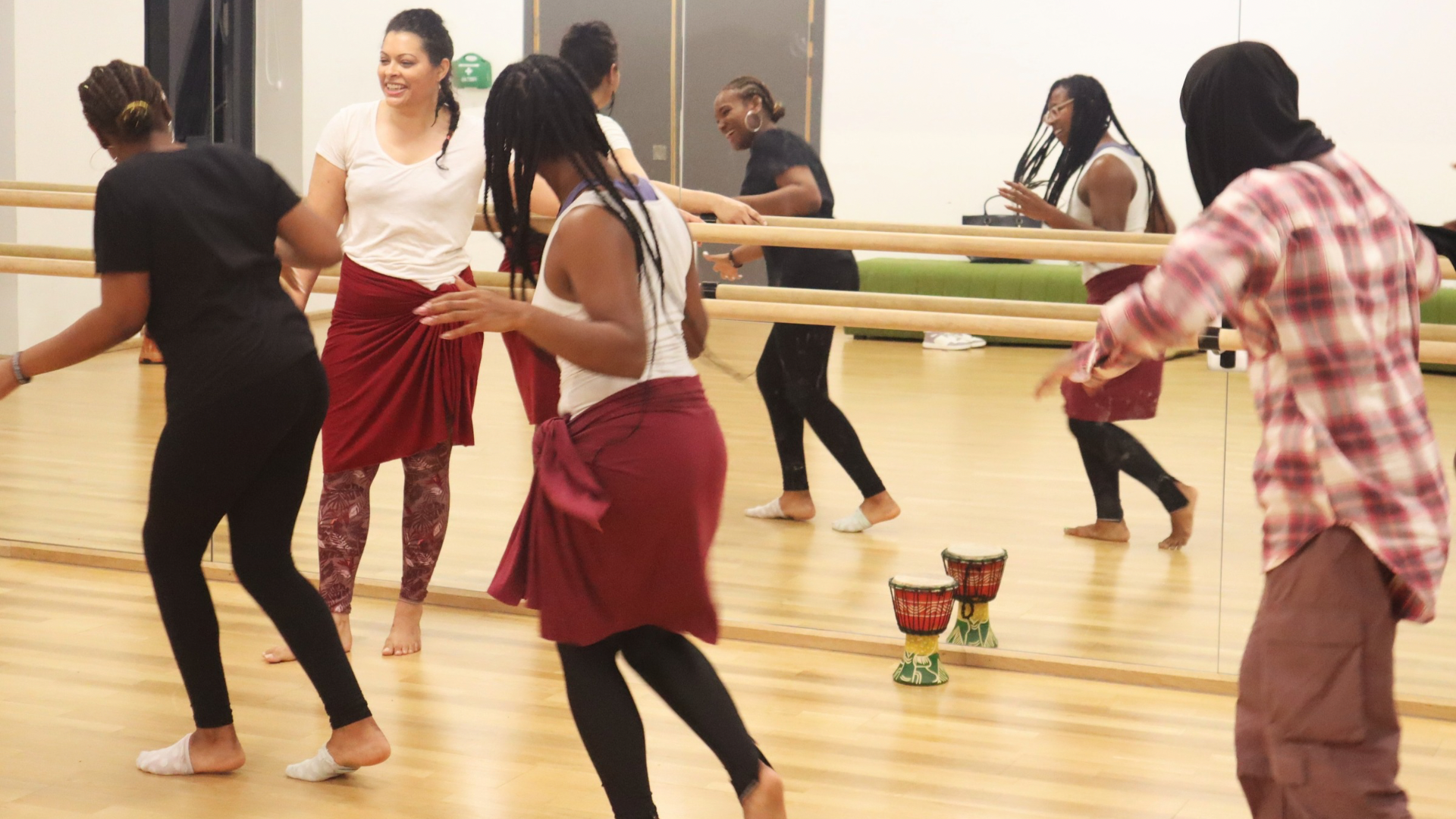
Ariane is an award-winning, British-Mauritian performer, educator and film-maker. Her practice centers around holistic wellbeing, cultural reclamation and transformation from a post-feminist, black, female of center lense. Her visual archives document the experiences of British women with islander heritage from across the African and Caribbean diaspora in relation to Mauritian culture. Her work with WOC & LGBTQ+ communities creates somatic and historical awareness through powerful ritual movement, poetry and music. Her dialogical style encourages critical thinking and systems change through diasporic unity and re-connection to self. She has been in Olivier Award winning shows, worked with renowned international artists, released music and been featured on the BBC, Channel 4 and in several international publications.
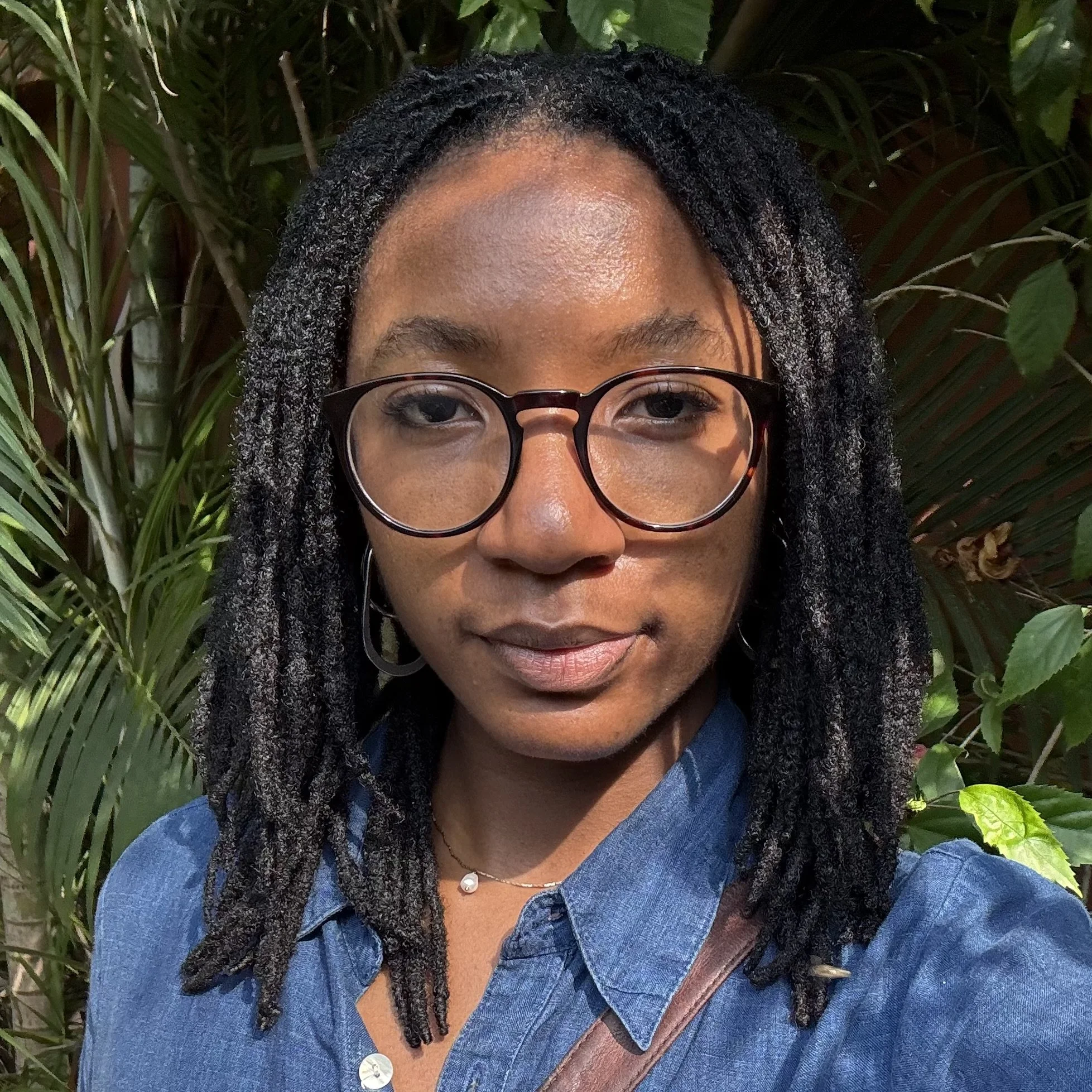
I have always been interested in videography and since becoming a Screen Ambassador my interest in archiving has increased due to knowledge gained on the program and an understanding that I need to be taking some responsibility and consciously archiving and preserving for the edification and education of future generations in general and particularly for the Afro Caribbean community. I am a screenwriter currently in the postproduction of my directorial debut short film mockumentary titled "Manna in the manor." I am also writing and developing the next instalment which I hope to shoot later this year. I have also written and developed a period piece short film about Haile Selassie which is part of a potential anthology of three period stand alone short films and I am looking for a producer to help get this poignant, far fetched project off the ground. Other passions include writing poetry and getting pieces published.
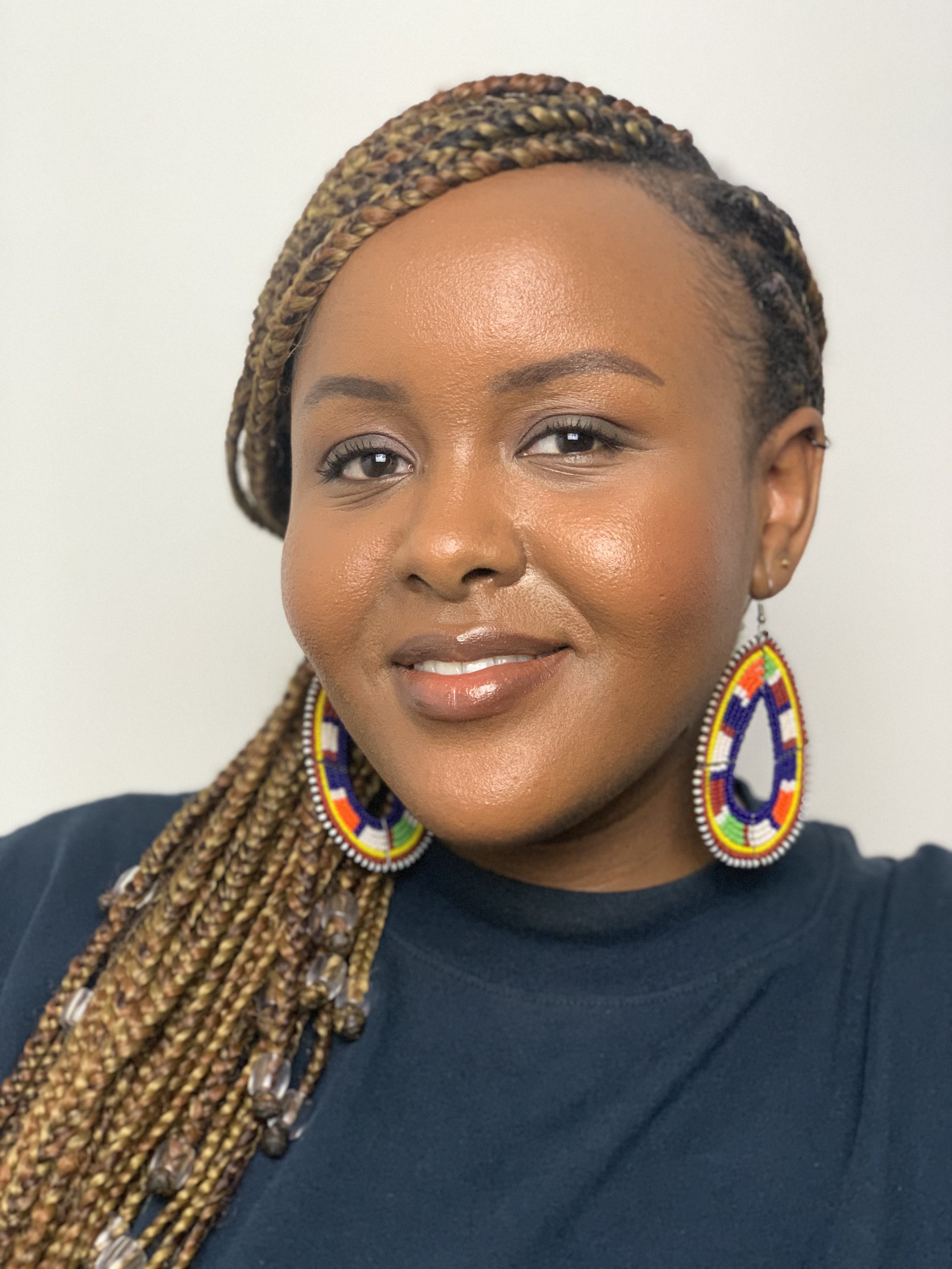
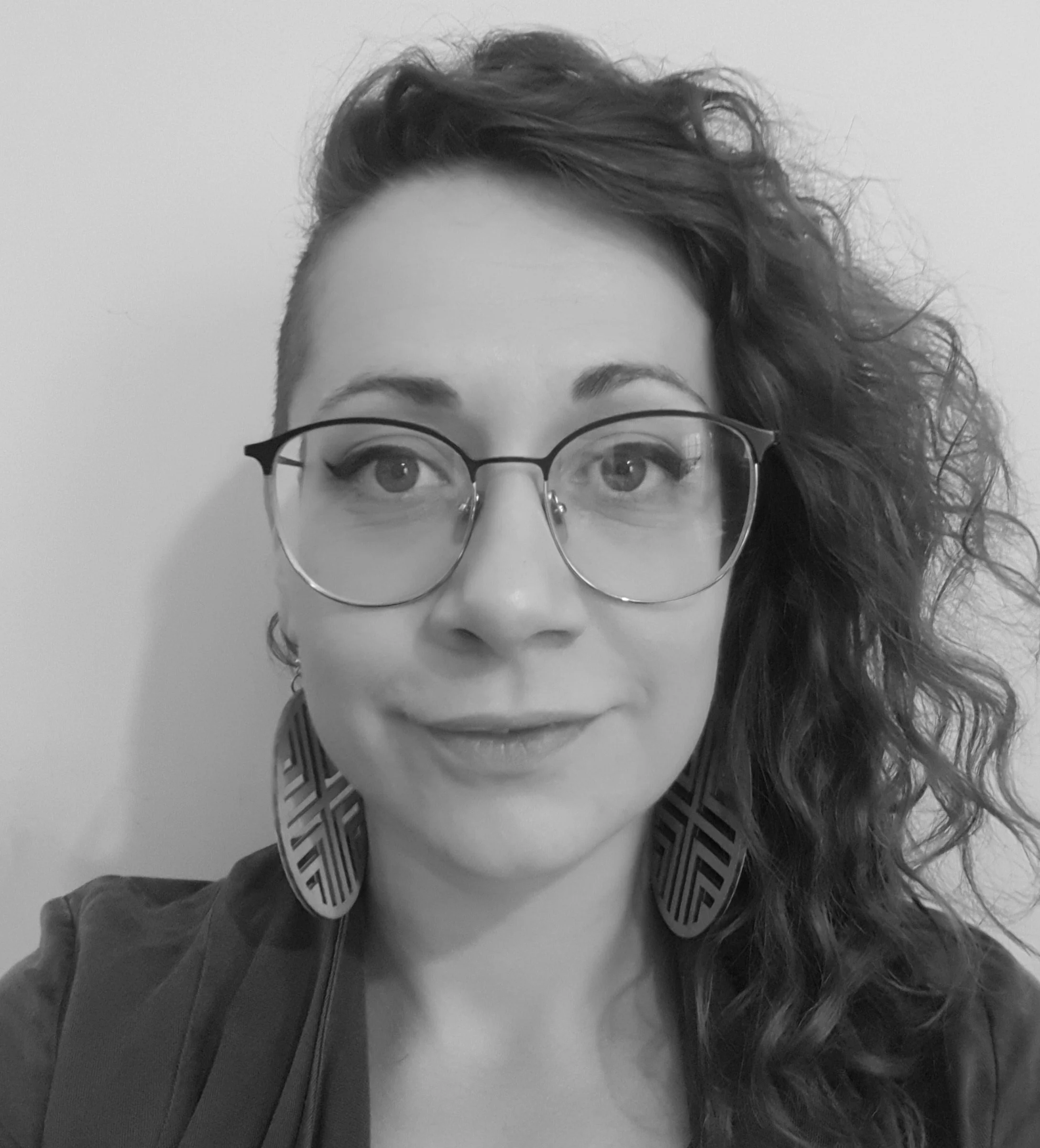
I’m a budding digital archivist and have explored this through founding Akín Akin Archive - a project that preserves and celebrates the histories of the global West African diaspora. Beginning with West African communities in Britain, the archive explores stories country by country, uncovering overlooked narratives through interviews, photography, and film to preserve heritage for generations to come. It all began when I started exploring my family’s VHS home videos and sharing snippets online. I started the archive because I felt that West African presence in the UK is heavily undocumented, despite historical records showing West Africans in Britain as early as the late 1400s. Even in more recent history, I rarely see representation in archives or easily accessible materials about West African presence in the UK during the 1950s - 1990s (a period that isn’t far removed from my own living reality). By starting with my family’s collection and sharing my findings online, many people have commented that they finally feel seen. I’ve received private messages from people describing me as a “cultural custodian” and a “historian,” which showed me how strongly this work resonates with those who feel historically underrepresented. Alongside this, I attended a short course in London called Undocumented, which explores archival theory and decolonial approaches to archiving for Black Londoners. As a Pan-Africanist, I’m particularly interested in expanding Akín Akin Archive through more decolonial methods. Through my studies, I’ve been thinking about how oral traditions, dance, and song are also forms of archiving, and how these practices can help document the cultures and histories of West Africa and its global diaspora.
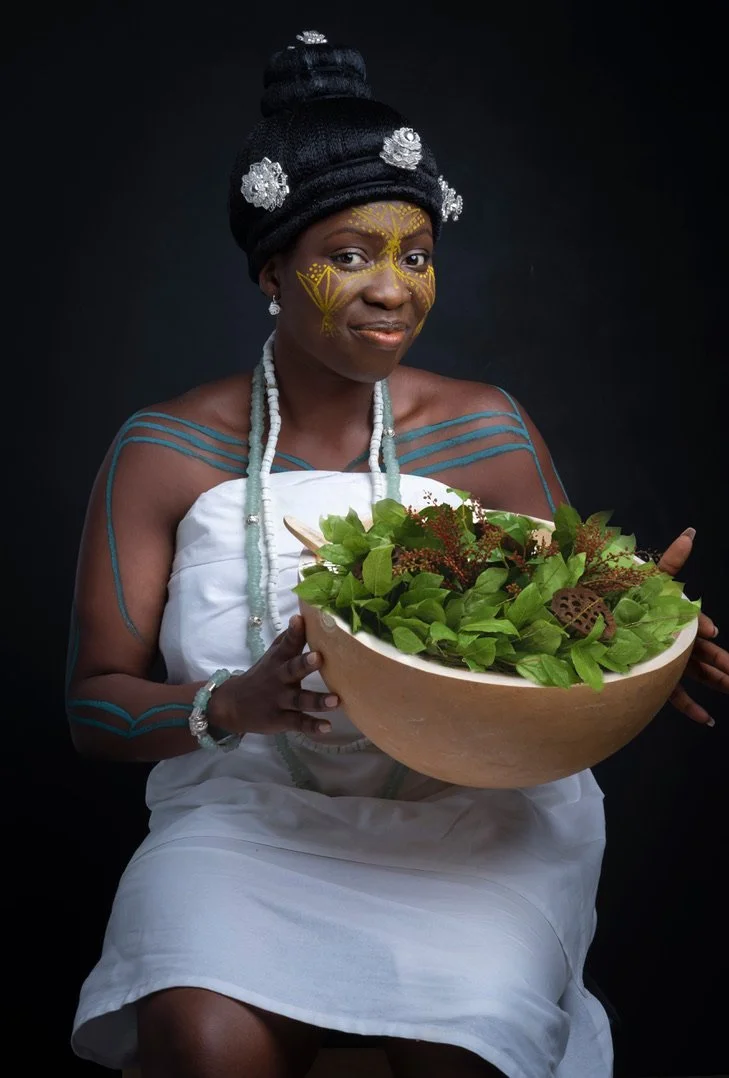
My interest in archiving began long before I had the language to describe it. As a child, I spent hours in my parents’ back garden observing and sketching different species of butterflies, eagerly sharing my discoveries and drawings with anyone who would listen. Looking back, I realise that this early curiosity recording what I saw and preserving it through drawing was my first introduction to the instinct of documenting and keeping a record of things that mattered to me. That instinct continued to grow over the years in different ways. I remember carefully cataloguing my vinyl records and cassette tapes in a system that, while perhaps only fully understood by me, reflected a deep appreciation for organisation, memory, and preservation. A significant turning point came later when I took a DNA test, which inspired me to begin cataloguing family photographs, certificates, and recorded histories. This has since become an ongoing and deeply meaningful journey of preserving my family’s story. Alongside this, I now identify strongly as a creative person. I have begun writing short poems and scripts for performances, which I carefully keep and organise not only as a record of my creative journey, but also as a way to reflect on my growth and to serve as a reference for the future. In many ways, archiving has become both a personal practice and a way of honouring memory, creativity, and legacy.
My interest in archiving comes from my personal background and experiences. I grew up in a household where family photo albums were highly valued, and I am grateful to have access to many of those memories today. However, as I got older, I realised that I had not continued this practice myself. As a result, there are periods of my life for which I have no physical records, and I have also lost many digital materials. This experience has made me more aware of how important it is to actively preserve memories and personal histories. Through my personal projects, I aim to archive as many aspects of my family’s stories and heritage as possible. This includes documenting vernacular language, native words, and pronunciations that could be lost if my generation does not continue to use and record them. I am also interested in preserving life experiences, traditions, and narratives that I hope to pass down to future generations. For me, archiving is a way of safeguarding identity, memory, and cultural continuity. In my individual professional work, including film, animation, and drawing, I also aim to incorporate personal and cultural elements that reflect my heritage. I am grateful to have access to cultural knowledge and references that have been preserved through archives, and this inspires me to continue documenting and contributing to this ongoing process of preservation.
My relationship with archiving has always been personal. As a teenager, I was already intentional about preserving my family's visual memory and understanding the stories behind the pictures that filled our albums. Those conversations eventually took the shape of a short documentary that breathes life into those still testimonies. That process helped me understand the power of recording, holding, and revisiting stories that are often overlooked. My most significant experience in archiving came during my placement at Black Cultural Archives, which I completed alongside my MA in Film & Screen Media. Working directly with archival material deepened my understanding of how memory, culture, and identity are preserved through care and intention. During my time there, I created a documentary, "The Devaluation of Black Bodies in Media", using archival materials from the collection, with the ultimate aim of making the collection's materials more accessible to the community. Currently, I continue to investigate my personal collection, moving away from still images into VHS material. I plan to use the knowledge and tools I have gained from my time as a Screen Heritage Ambassador.
I believe in the preservation of experiences, culture, ideas, and creations—the complete conservation of life that came before. In preserving the past, the future can be better understood. My current project investigates the lives of migrants and Africans in the diaspora, asking what is left behind in the pursuit of chimeric opportunities.
My interest in archiving comes from the importance I hold for memories because I believe they help shape our identities as people. It’s important to know where and who we come from. I am working on a workshop around the importance of archiving in our personal lives.
I’ve been photographing for a number of years and always wondered what can be done with the images a thought I kept floating at the back of my mind. When the opportunity presented itself I wanted to see what I could learn about preservation and the process. I’m currently working on purposely capturing black artists in London and around the UK in Live events and doing my best to preserve our images in different areas.
I think archives are an effective way to challenge negative stories and stereotypes of a people. They provide evidence of your existence, evidence of your power and fuel for a stronger future. I have used archives quite recently to evidence the wonderful history of the Ga and Dangme people of Ghana. It brings me joy to tear down the prevailing narratives of who we are and who we were. It also brings me joy to see people smile and say 'I didnt know this', 'it makes me so proud'. I am now working on making a more extensive archive, using primarily the archives hidden in our great grandparents and Grandparents rooms (dont throw away those papers oooo), and also linking my people to an archival world that already exists.
Meet The Team - London’s Screen Archives
film Archives celebrated on Xposé
I began to consider archiving when I realised how much I had lost.
Hell of an opening statement huh?
Well, it’s the truth, and I’ve always felt that’s the best place to start.
Diminga strives to find her husband during a War of Independence that threatens to destroy her country and uproot her life.
Follow the moving, story of the man behind the slogan that influenced a social movement.
A Story Left Behind is a fascinating, elegantly haunting and moving short film that uncovers a hidden gem in Sheffield’s overlooked history.
Kethiwe Ngobo’s And She Didn’t Die uncovers the radical journey of her mother Lauretta Nogobo from South African revolutionary to exile, who spoke of liberation through her transformative and feminist storytelling, to the cost of activism. Raising her children in rural South Africa and then becoming a headmistress in the UK, Lauretta's powerful works are told through incredible archive footage interwoven with her own words.
Marginalisation and microaggressions; we all know how it is to live under a white gaze which leaves us feeling restricted, lonely and questioning our inherent worth…
BLKNWS: Terms and Conditions (2025) is a feature length continuation of the exhibition/art installation of the same name, which was self described as “a conceptual news program that blurs the lines between art, reporting, entrepreneurship, and cultural critique.”.…
Soundtrack to a Coup d'État (2024) is a gripping, intense, and deeply thought-provoking documentary that delves into the 1961 Congolese coup d’état.
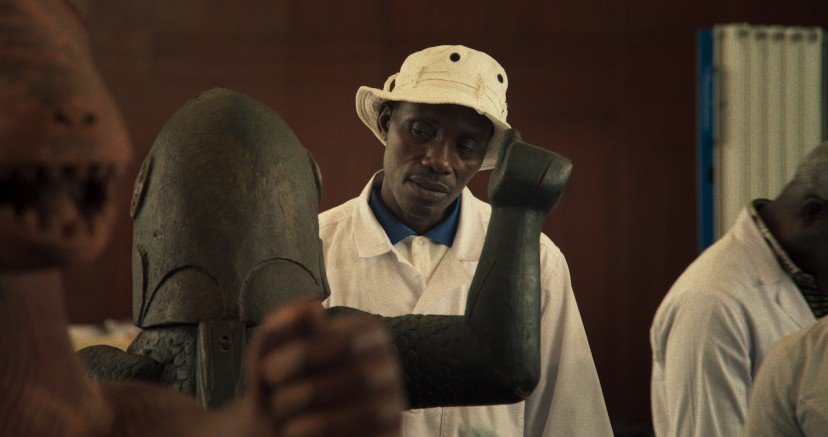
A documentary detailing the 2021 journey a consignment of artefacts made from a Paris museum back to the West African kingdom they were pillaged from in 1892.
Undocumented seeks to address the lack of Black stories in screen archives through a public programme that deepens community engagement through practical, discursive and intergenerational activities and sessions…
Feature documentary CASSIUS X: Becoming Ali is set to launch across UK cinemas, with the film scheduled for release, to coincide with this year’s Black History Month, at independent cinemas on 13 October previewing on 12 October in all UK Vue cinemas as part of its BFI Presents programme…
I have been dying to watch this film ever since I heard about its conception in 2022, as I had become consumed in research about farming after watching Farming by British-born actor Adewale Akinnuoye-Agbaj in 2018. And I have to say that I was not disappointed…
Thank You To Our Partners!
Session Leaders
A huge thank you to session leaders who were generous with their time and knowledge throughout the programme;
Milo Holmes and Lynn Loo Film Conservation Specialists at the BFI National Film
Lisa Soverall Heritage Officer and Dr. Patricia Dark Archivist at Southwark Archives
Dr Etienne Jospeh, Hackney Archives Manager and Cofounder of Decolonising the Archive
Kaitlene Koranteng Archivist and Engagement Producer and Tavian Hunter Library and Archive Manager at iniva
Genova Messiah Engagement and Learning Officer at Tower Hamlets Local History Library and Archives
Amy Keegan Membership & Licensing Coordinator and David Whorlow Collections Coordinator at London's Screen Archives
Steering Group
Also a big thank you to our Steering Group who continue to provide insight and advice:
Harlynn Homan - Archives Manager at Black Cultural Archives
Hannah Oliver - Filmmaker
Juanita Cox - Researcher and Historian
Rai Terry - Audio-Visual Archivist and Founder of Auntie Penny's Tapes
YV Shells- Filmmaker
Montaz Marche - Historian, Writer and Creative
Contact us if you have any questions or enquiries about the project
Email: info@tnbfc.co.uk