Undocumented - Resource Library

Resources
Undocumented is about learning and training people to archive. Please see below archival resources where you can continue to learn and develiop your skills in archiving and learn abut all the fantastic archival work that takes place in the UK and beyond:
Guidance / handbooks
A network for people of colour who work in museums, galleries, libraries, archives and the heritage sector.
Explore past and present stories, events, exhibitions, artists, and more involved with Dig Where You Stand.
museums & exhibitions
Funding
The moment of the archive represents the end of a certain kind of creative innocence, and a beginning of a new stage of self-consciousness, of self-reflexivity in an artistic movement
—Hall, S. (2001). Constituting an archive. Third text, 15(54), 89-92
Oral History Society - Getting Started
The Oral History Society has distilled years of experience into these advice pages, to answer your questions and start you on your way.

National Lottery Heritage Fund:
Oral History Good Practice Guidance
By reading this guidance you'll learn how to plan and run a successful oral history project. It explains what oral history is and how to run an oral history project from scoping to planning and execution, including the need for recording agreements and archiving.
Further Reading
Tower Hamlets - Oral History Project Collection
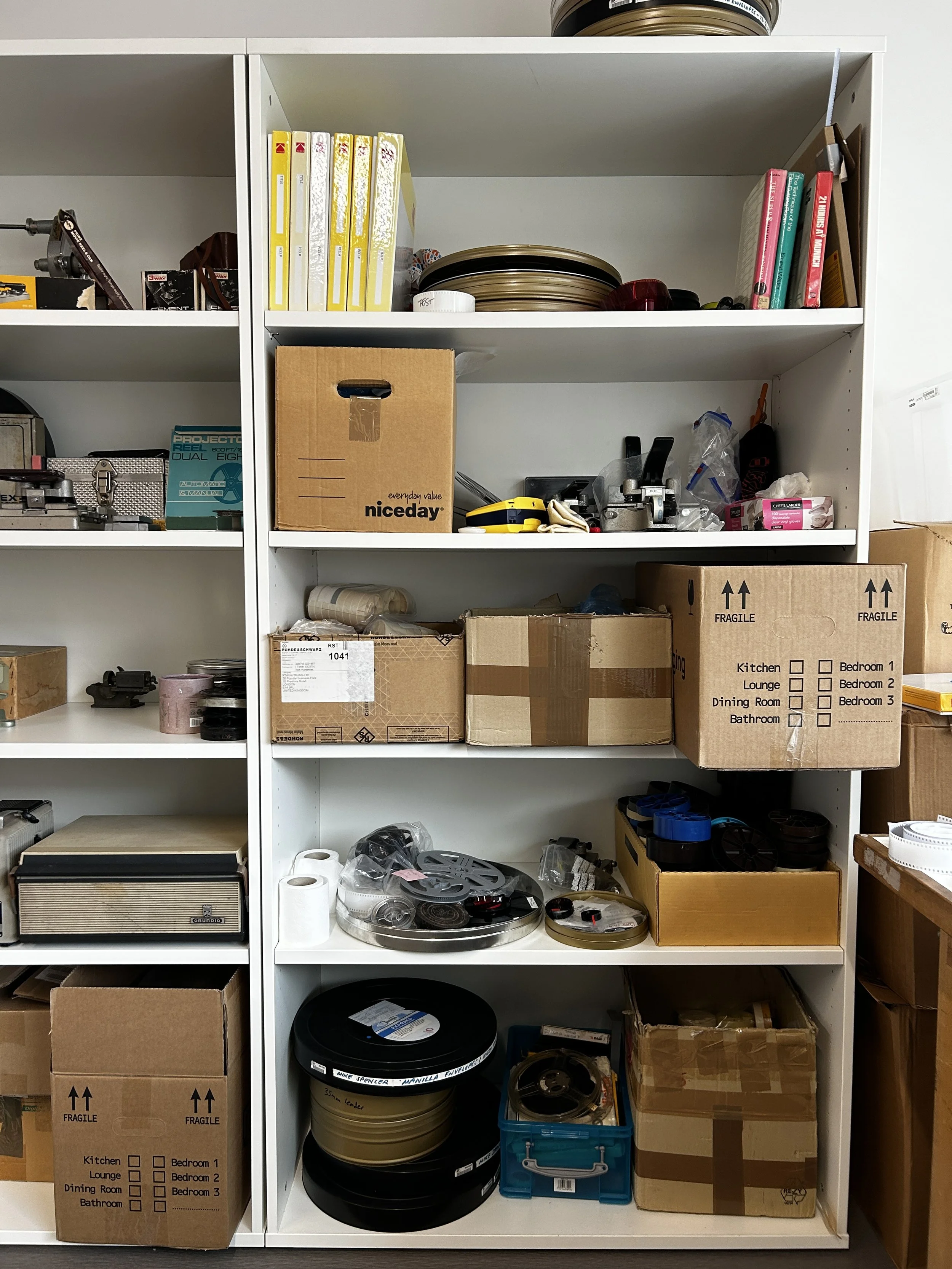
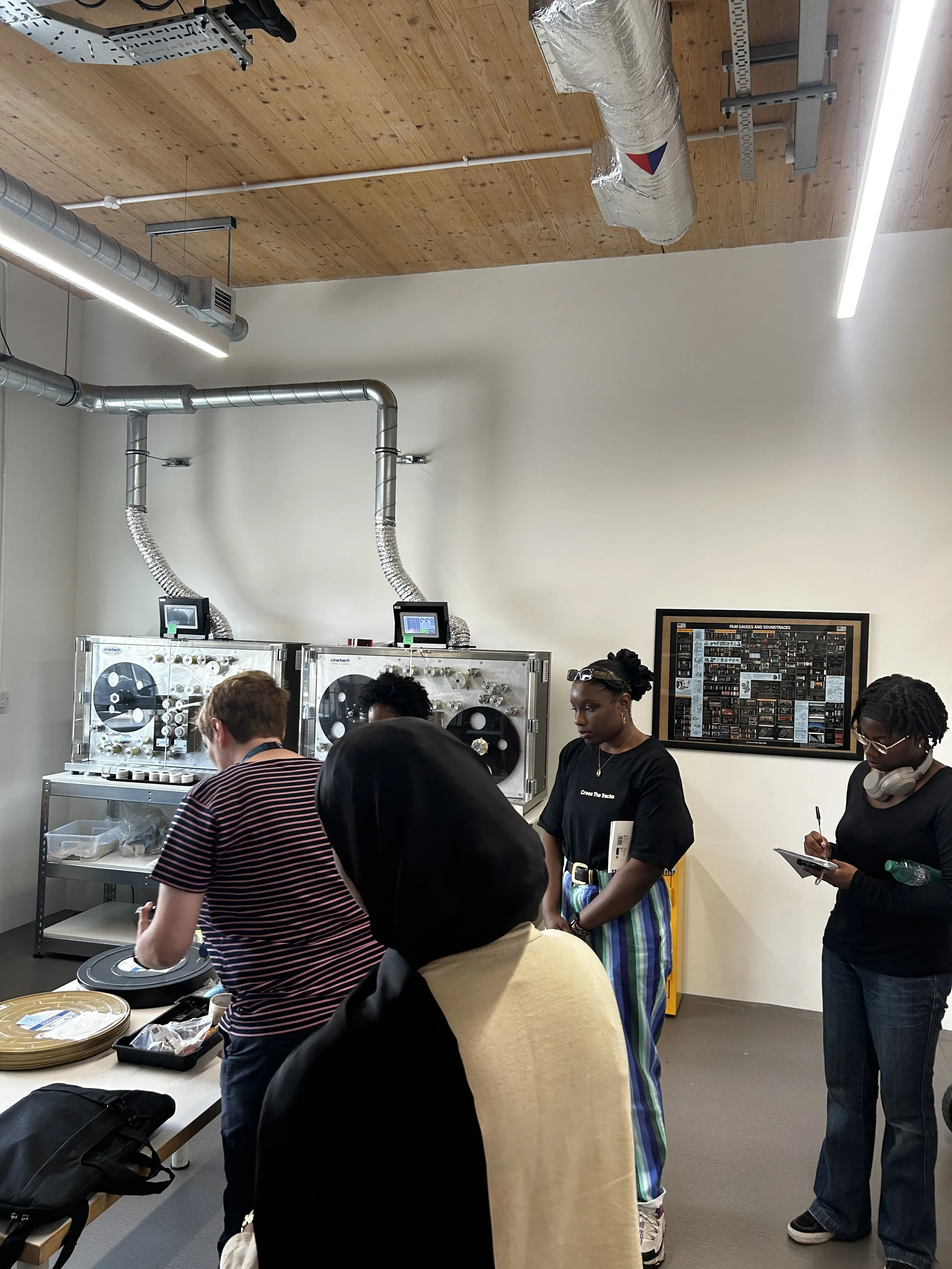
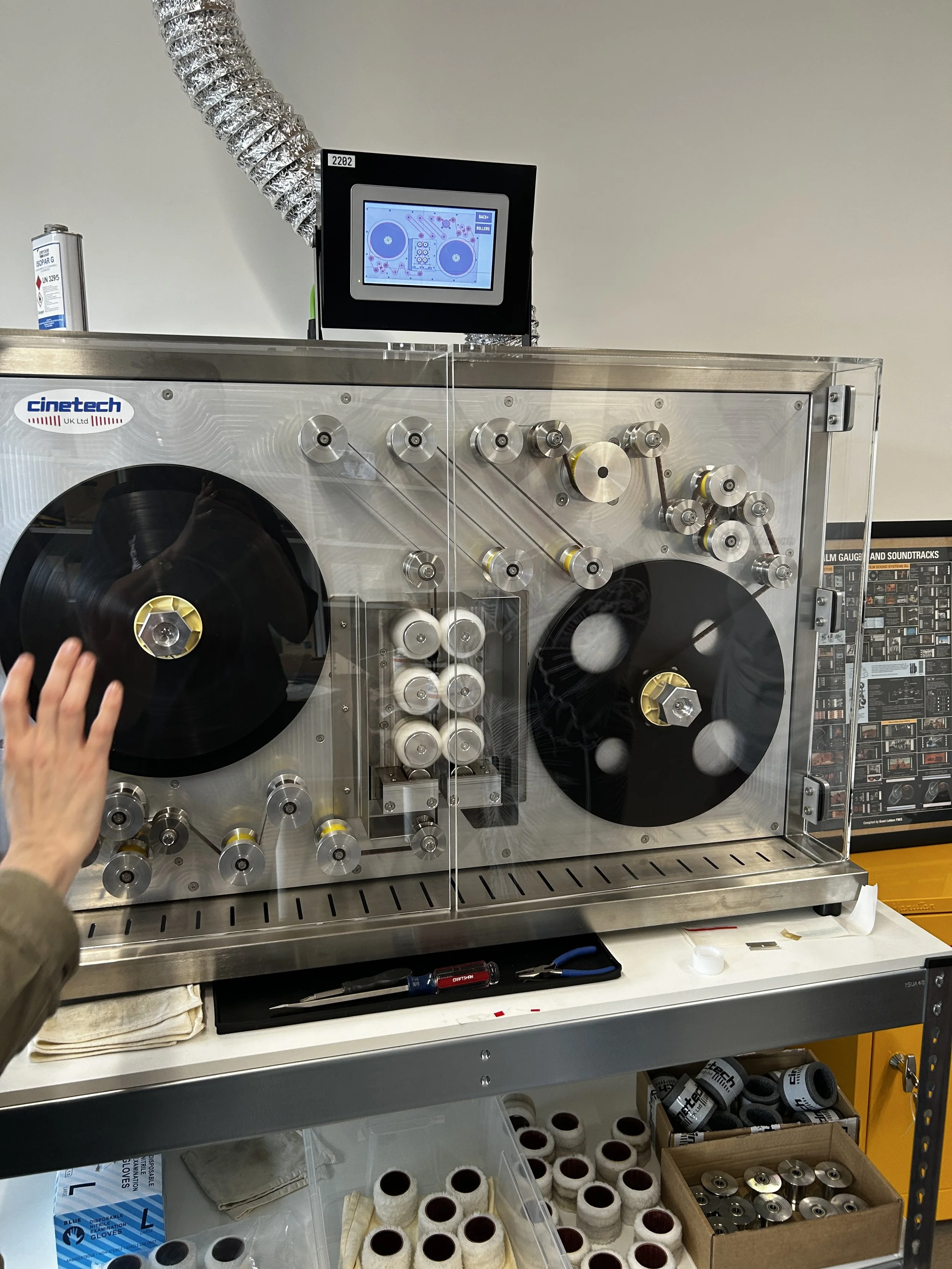
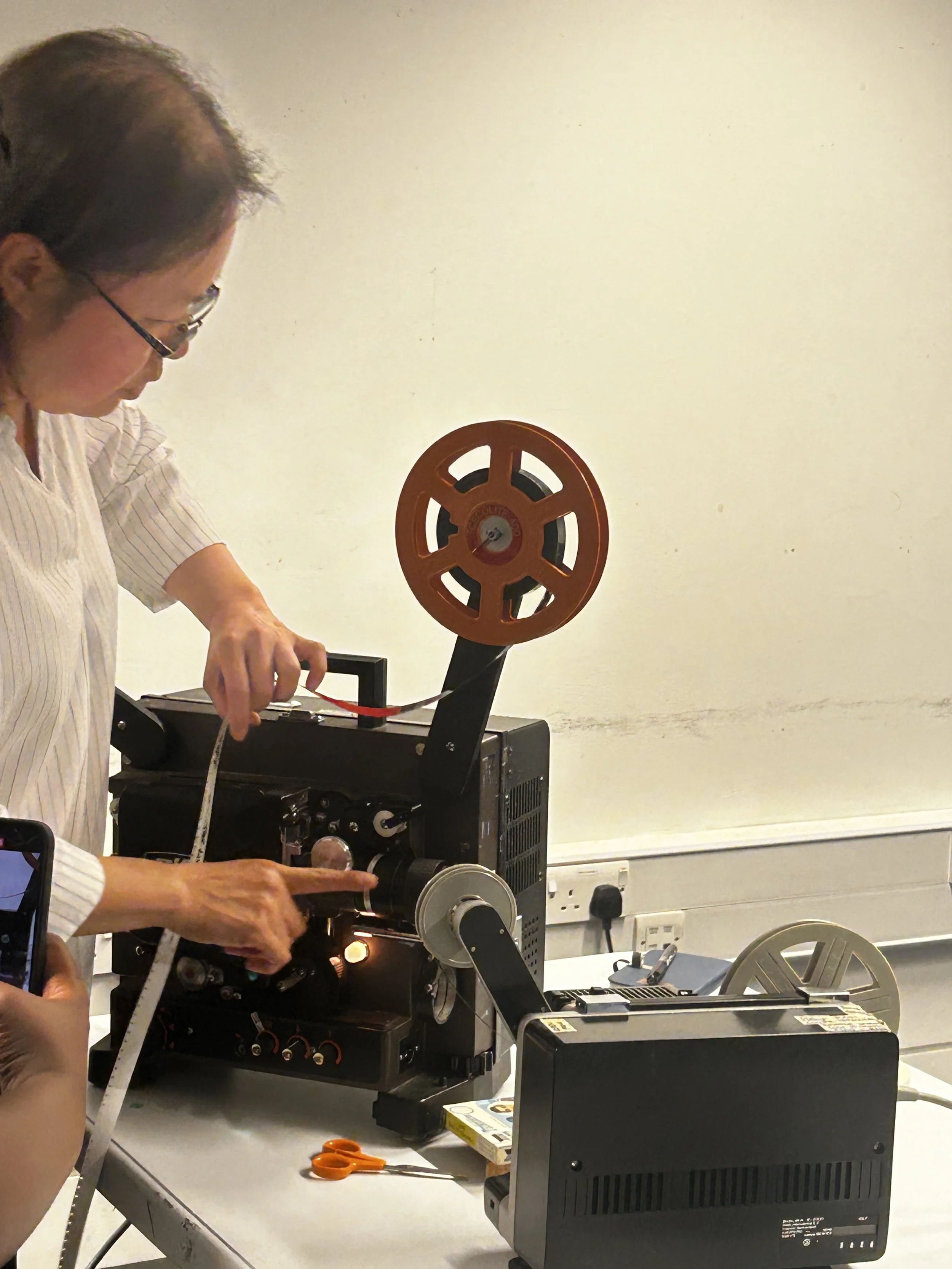
Online Databases - Tower Hamlets
Introductory guide to Caring for your Collections: Community Archives by Idea Store:
This guidance is to help you treasure your items and think about future actions to help safeguard them for generations to come.
Sound, Screen, and Archive: Researching Black Queer Media in LIS
This resource was created to support students and researchers working at the intersection of Black Studies and Library and Information Science. It responds to the need for more specialized tools to study Black queer media, especially in relation to archival preservation, memory work, and community-driven practices.
This guide gathers a range of resources, including institutional and grassroots archives, fellowships, critical theory, and creative works, all of which speak to how Black queer lives are recorded, remembered, and imagined. Across every section is a shared interest in how Black queer memory lives within audiovisual media, is shaped by archival frameworks, and pushes against dominant narratives of history and preservation.